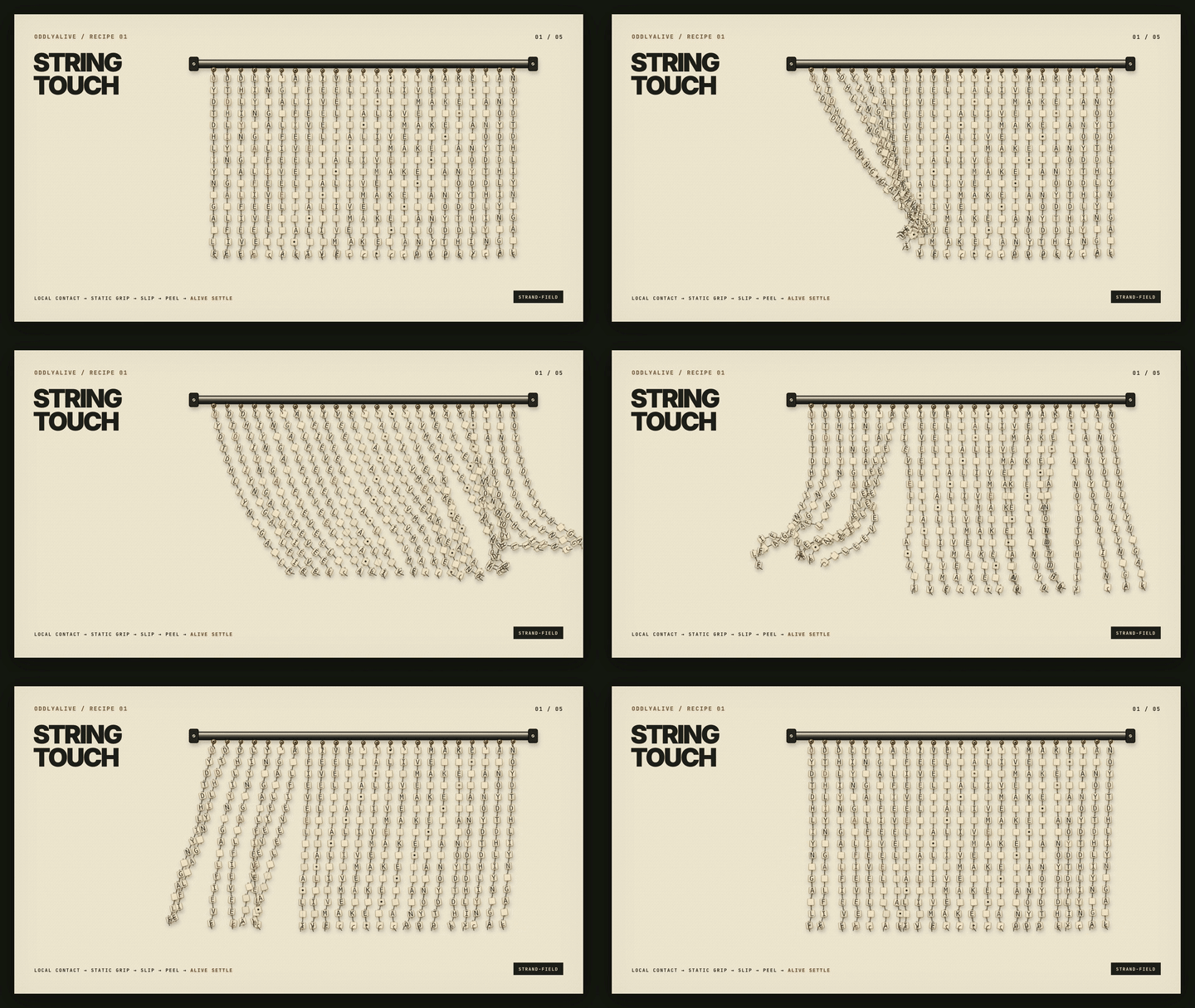
01 · String touch
Touch, catch, peel.
Pressure and friction contact move flexible strands and charms through stick, slip, cooldown, and settle.
XPBD strands + contact friction
Describe the physical setup once. The solver produces every frame. OddlyAlive turns physical intent into natural, repeatable motion without animation keyframes, cloud inference, or renderer lock-in.
String touch · XPBD strands · pressure + friction contact · seeded material variation
Most prompt-to-animation systems ask a model to guess transforms frame by frame. OddlyAlive lets AI choose and configure a bounded physical recipe, then gets out of the way.
A fixed-timestep simulation authors the motion. The result is seek-safe, testable, reproducible, and ready for SVG today or another renderer tomorrow.
Each object family gets the physical model it actually needs. No solver is marketed as universal.
Pressure and friction contact move flexible strands and charms through stick, slip, cooldown, and settle.
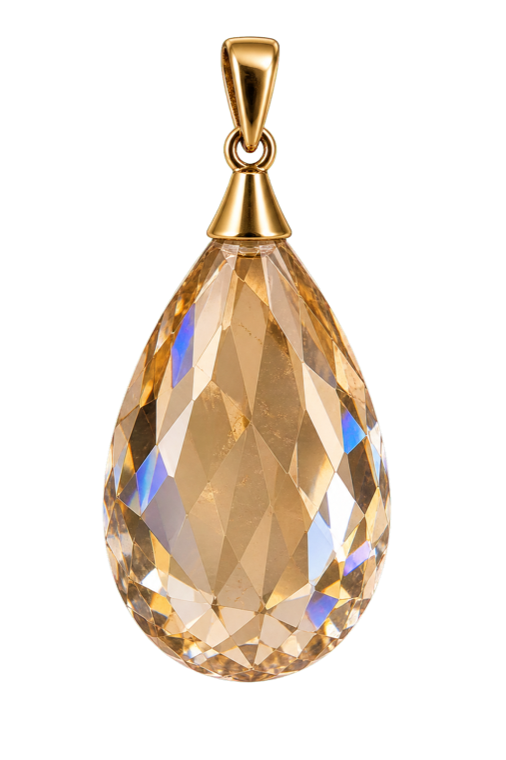
Terminal masses turn strands into pendants and mobiles that swing, lag, and return with believable weight.
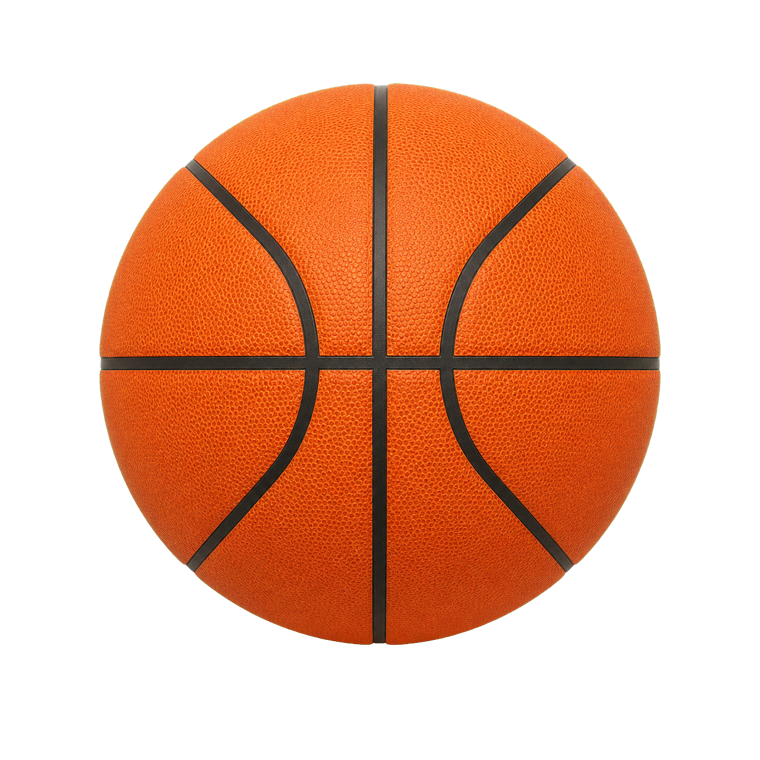
Collisions expose restitution, friction, spin, and seeded variation across loose round objects.

A scheduled kick is applied exactly once, then gravity, spin, friction, and the net carry the scene.
A falling rigid object couples into a damped surface, turning impact into graphic ripples and living settle.
The public alpha runs from GitHub today. The alpha.2 candidate shown here has passed its release checks and will become the default once its final publication gate clears.
The gallery, simulation, diagnostics, and SVG rendering run on your machine. Nothing is uploaded. Scene files are JSON, and every approved candidate recipe carries a repeatable fingerprint.